
Spam call law firms targeting Wisconsin residents, particularly Menasha's Trestle Trail users, are leveraging fear with deceptive calls claiming legal issues. These con artists impersonate reputable organizations, demanding immediate payment and threatening consequences. To protect themselves, individuals should verify unexpected calls, never share personal or financial information over the phone without independent confirmation, and report scams to local law enforcement. Wisconsin's Spam Call Law offers safeguards, but proactive measures are crucial to combat this growing menace and preserve outdoor recreational spaces.
With the increasing prevalence of spam call law firms across Wisconsin and beyond, understanding and mitigating these fraudulent tactics have become paramount for trail users and outdoor enthusiasts alike. The Menasha Trestle Trail, a vibrant community asset, has recently seen a surge in scam calls targeting its patrons. This article delves into the issue, highlighting the dangers posed by these deceptive practices and offering practical advice to protect trail users from becoming victims. We aim to empower individuals with knowledge, ensuring they can enjoy outdoor spaces safely and securely.
Menashas Trestle Trail: Unveiling a Growing Scam Threat

The Menasha Trestle Trail, a popular recreational gem in Wisconsin, has recently become a victim of a growing scam threat targeting its users. This deceptive tactic involves sophisticated spam call law firms preying on the good faith of trail enthusiasts. Scammers pose as official representatives from these firms, leveraging fears and uncertainties related to legal issues supposedly linked to the trail. They target individuals with misleading claims, demanding immediate action and threatening consequences if they fail to comply.
While exact data is scarce, local authorities have noted a substantial rise in such incidents over the past year, indicating a well-organized campaign aimed at exploiting the trail's popularity. The scammers' strategies are highly refined, often impersonating reputable organizations to gain trust. They may claim that users have violated unknown laws during their trail adventures, demanding hefty fines or legal fees under the guise of swift resolution. This deceptive practice not only causes panic among recreational users but also poses a significant challenge for park management and law enforcement.
Expert advice recommends vigilance and caution. Trail users are encouraged to verify any unexpected calls by contacting relevant authorities directly. Wisconsin's Spam Call Law, designed to protect residents from unwanted and deceptive communications, offers some safeguards. Individuals should never provide personal or financial information over the phone unless they have independently confirmed the caller's legitimacy. Additionally, reporting such scams to local law enforcement can aid in combating this growing menace, ensuring the Menasha Trestle Trail remains a safe haven for outdoor enthusiasts without the shadow of fraudulent activities.
Wisconsin Park Pass Scams: Recognize and Protect Yourself
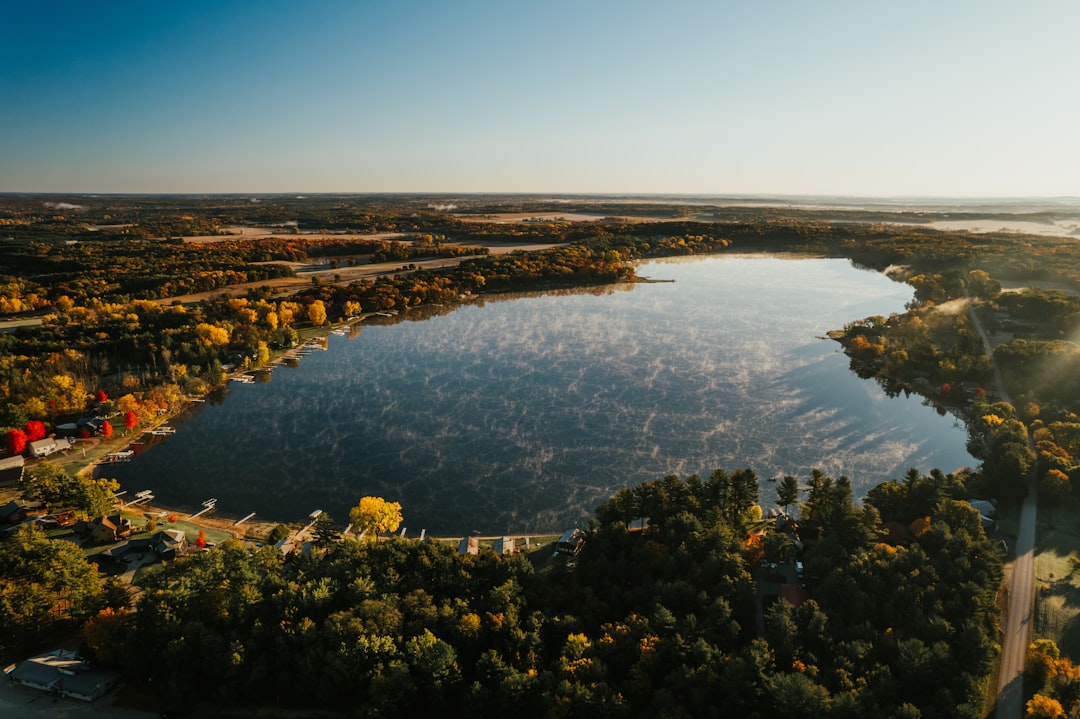
In recent months, Menasha residents and outdoor enthusiasts have been alerted to a growing scam involving fraudulent park pass offers. This scheme, targeting Wisconsin parks, has seen an increase in Spam call law firms attempting to dupe individuals into purchasing bogus access passes. The con artists often pose as official representatives, leveraging the popularity of outdoor recreation to exploit potential victims' enthusiasm for local parks. According to the Menasha Police Department, numerous calls have been reported, with scammers claiming to offer discounted or free park passes in exchange for personal and financial information.
Recognizing these scams is crucial for Wisconsin residents aiming to protect themselves from such deceptions. The Wisconsin Department of Natural Resources (DNR) emphasizes that legitimate park pass sales are conducted through official channels, including their website and authorized retailers. Any offers outside these avenues should be treated with extreme caution. To illustrate, the DNR's data reveals a sharp rise in similar fraud cases across the state, underscoring the need for public awareness. Scammers often employ high-pressure tactics, urging immediate action to avoid missing out on "limited-time" deals—tactics that reputable organizations rarely employ.
Protecting yourself involves a multi-faceted approach. First, verify any unexpected calls or messages by contacting official sources directly. Secondly, never share personal or financial details over the phone unless you've initiated the contact and are certain of the recipient's identity. Lastly, stay informed about local park regulations and access methods through trusted channels like the DNR website or local government resources. By being vigilant and adopting these precautions, Menasha residents can safely enjoy our beautiful parks while thwarting the efforts of Spam call law firms and other scammers.
Spam Call Law Firms Target Recreational Users

Menasha's Trestle Trail has become a popular destination for recreational users seeking scenic walks and bike rides. However, recent reports indicate a disturbing trend: spam call law firms targeting these same users with deceptive calls, attempting to exploit their enjoyment of the local trails. This insidious practice is not unique to Wisconsin; it's a growing concern across many communities with vibrant outdoor recreation scenes.
Spam call law firms often pose as legitimate legal representatives, leveraging the trust and ease associated with community spaces like parks and recreational trails. They may claim to have won awards for their services or suggest that a class-action lawsuit is underway, urging users to act quickly. These tactics aim to create a sense of urgency, pressuring individuals into providing personal information or signing documents without proper consideration. According to data from the Federal Trade Commission (FTC), over 75% of spam calls in the US are related to telemarketing and illegal robocalls, causing widespread frustration among consumers.
Expert advice for trail users is clear: never engage with such calls, no matter how compelling they sound. Instead, report them immediately to your local law enforcement or consumer protection agencies. In Wisconsin, residents can also contact the state's Division of Consumer Protection. By reporting spam call law firms, individuals contribute to an ongoing effort to protect vulnerable communities from these deceptive practices. Additionally, staying informed about current legal trends and being vigilant can significantly reduce the risk of falling victim to such scams.
Navigating Legal Loopholes: A Guide for Outdoor Enthusiasts

Menasha's Trestle Trail, a beloved outdoor recreation destination, has recently been marred by a deceptive scam targeting its users. Scammers are utilizing spam call law firms Wisconsin to dupe trail enthusiasts into purchasing unnecessary legal services, preying on their passion for the outdoors. This insidious practice highlights the intricate dance between protecting consumer rights and navigating evolving legal loopholes.
Consumers often find themselves in a complex web when encountering such scams. Spam calls have become an ubiquitous nuisance, with law firms employing aggressive marketing tactics to attract clients. In some cases, these calls claim that the recipient has violated local laws or been involved in an incident related to the trail, urging immediate action. For instance, a recent spike in scam calls claimed that trail users had unknowingly accessed private property during their hikes, demanding compensation and legal representation.
The challenge lies in distinguishing legitimate concerns from fraudulent schemes. Outdoor enthusiasts must remain vigilant and educate themselves on these deceptive practices. Understanding state laws regarding consumer protection and privacy is crucial. For instance, Wisconsin's No-Call Registry offers some relief, allowing residents to opt-out of most telemarketing calls. However, not all scams adhere to these rules, emphasizing the need for consumers to stay informed. Actionable advice includes never providing personal or financial information over the phone unless verifying the caller's legitimacy and always independently researching any claimed legal issues.
Moreover, reporting such incidents to local authorities and consumer protection agencies plays a vital role in combating these scams. By collectively sharing knowledge and experiences, outdoor enthusiasts can foster a safer and more enjoyable trail environment. Staying one step ahead of scammers requires a proactive approach, ensuring that the Menasha Trestle Trail remains accessible and secure for all who seek its natural beauty and recreational opportunities.
Protecting Your Privacy: Combatting Scam Calls Effectively

Menasha's Trestle Trail users have recently been targeted by a sophisticated scam involving phone calls that mimic official sources, prompting an alert from local authorities. These spam call law firms, operating across Wisconsin, employ high-pressure tactics to dupe individuals into providing personal and financial information. The scheme often takes the form of urgent notices or promises of legal assistance, leveraging fear and curiosity. While such calls are a growing concern nationwide, Menasha residents must remain vigilant to protect their privacy and avoid potential financial losses.
Recognizing these scam calls is crucial. Common tactics include false threats of arrest, demands for immediate payment, or promises of substantial compensation for services rendered. Scammers may even impersonate lawyers, court officials, or government agencies to gain trust. It's essential to verify the legitimacy of such interactions independently by contacting official channels directly. Wisconsin's Spam Call Law provides protections against these deceptive practices, but consumers must take proactive measures to ensure their safety.
To combat these scams effectively, residents are advised to never share personal or financial details over the phone unless they have initiated the call and verified the recipient's identity. Reporting suspicious calls to local law enforcement and consumer protection agencies is crucial for tracking these fraudsters. Additionally, staying informed about current scamming trends through official sources can help individuals recognize and avoid similar attempts. By adhering to these practices, Menasha's trail users and residents alike can protect themselves from becoming victims of these deceptive spam call law firms operating in their area.